Search Boozehoundz

Showing posts with label Thanksgiving wines. Show all posts

Saturday, November 18, 2017

Flipping You The Bird: Improper Wines For Thanksgiving


There is this weirdly compulsive thing these days to pair wine with your food, as if searching for and experiencing the “perfect pairing” is tantamount to Indian Jones discovering the Covenant of the Ark. Yes, I admit I’ve written about that too (uh, the pairings, not the Ark), and certainly wine and food are crucially important – not to mention I’ve reviewed restaurants professionally for a decade. The point being…drink whatever the hell you want with whatever the hell you want to eat. No more elusive pairings and “ideal” wine for turkey day. Having said that…I would like to see these wines on your table.

2014 IL Tascante
Soft and quiet, this is not a loud wine; it’s understated and you’ve probably never had this grape before – Nerello Mascalase. Grown on volcanic soils on the north-east slope of the volcano Mt. Etna in Sicily, there is an earthiness, a mineral note, a chalkiness with this wine. There is muted raspberry, cranberry, and rhubarb with back notes of Bing cherry. Though aged in Slovenian oak barrels for 18 months, you hardly notice any oak at all, more a testament of the lithe but structured fruit. And it is this subtleness that makes this wine so compelling. Well, that and the fact the family has been doing the wine thing for two centuries. ($50)

2015 Sonoma-Loeb Pinot Noir Dutton Ranch
Out of the Russian River Valley the good folks at Sonoma-Loeb turn out a lot of great wine and this Pinot, from a well-established vineyard is part of a great lineage. All Pinot all the time this make-up of clones 667, 777 and 115 was fermented using native yeast and aged for just 11 months in French oak. 11 months is correct because you don’t want this beautiful fruit to get lost in some kind of cedar box. Black cherry, red currant, candied cranberry, star anise, cola and soft baking spices round out this rich, but pure iteration of Pinot. Great acidity and mild tannins make this work with damn near whatever you put on the table, or, better yet, get some cheese and have at it. ($40)

2016 Ritual Chardonnay
Chardonnay, again, really? Yes, really. This bright crisp Chardonnay from Chile is expressive, young, and fresh with a tanginess and food-worthy acidity. You’ll easily pick up on the lemon curd, kiwi, gooseberry, lime kefir, and green apple notes, and more subtly the hazelnut, mango and quince. The fruit hails from the Casablanca Valley, just 18 miles from the coast, and is whole cluster fermented in concrete eggs (which helps immensely with viscosity) and then gets a wee bit of oak time, so you’re left with a robust white wine that plays well with others. ($21.99)

2016 Steele Viognier
Viognier, the odd named grape most people mispronounce, is one of those, cool-if-it’s-done-right wines. And Jed Steele does it right. All the way from Lake County, this offers lychee, honeysuckle, Meyer lemon, lime curd and sugared almond. A beautiful viscosity and silkiness makes the floral components of this wine that much more provocative. It’s fermented in stainless steel so it retains a bright buoyancy but is not too heavy and flowery. A mere four month of oak time allows this wine to achieve a balance of fruit, acidity and wood. ($19)

Monday, December 1, 2014

Thankful for Organic: Healthier Holiday Wines


When planning the first Thanksgiving in 1621 the Pilgrims undoubtedly were unconcerned about mis-matched Martha Stewart place settings, football or pesticides and chemicals in their food. Much has changed about Thanksgiving including a progressive attitude for sourcing organic turkeys, and the side dishes of our national dinner. But even if we cook free-range turkey, eat organic green beans and cranberry’s sweetened with agave nectar, it turns out our wines may not up to the same standards. Here then are a handful of tried and true organic and biodynamic wines, listed in alphabetical order, to consider not just for Thanksgiving foods or left overs, but for any time of year.

(NOTE: The original version of this article first appeared in The Hollywood Reporter)

Benziger 2012 Bella Luna Vineyard Pinot Noir: Biodynamically farmed grapes from Sonoma’s Russian River Valley are used for this delicate and nuanced wine offering soft cherry and strawberry, typical Russian River acidity, framed by oak and vanilla. Benziger was one of the first to transition their vineyard land to sustainable practices. Use this for more mild dishes on your Thanksgiving table, like traditional turkey, cornbread stuffing, sweet potatoes, even fish dishes. ($49, benziger.com)


Bonterra 2012 Zinfandel: Certified organic since 1989 in Mendocino and employing biodynamic practices this Zinfandel is soft and supple with black cherry and pomegranate flavors complimented by new oak and is a lighter red wine without the harsh tannic structure, therefore it will work well with turkey and gravy. Though it is light on the acidity, it offers a slight pepper and some depth and won’t clobber your food. ($16, bonterra.com)


Domaine Carneros 2011 Brut Rosé: Blended from both organically grown Pinot Noir and Chardonnay grapes from the cool Carneros district, this sparkler offers pinpoint bubbles with notes of cranberry, cherry and pomegranate, so if salmon or duck might be on your table this is a great fit. But also consider fruit based desserts, cheeses and tofurkey, not to mention a proper Thanksgiving toast. ($37, domainecarneros.com)

Ehlers Estate 2013 Sauvignon Blanc: These biodynamically farmed grapes from a single vineyard source give off lemon, grapefruit and lime accents, and a moderate acidity and minerality. It sees no oak so this is a clean, linear expression of Sauvignon Blanc, lacking typical grassy/herb flavors and therefore makes a better fit for appetizers, salads, and casseroles. ($28, ehlersestate.com)


Montinore 2012 Reserve Muller Thurgau: From Oregon’s Willamette Valley this odd grape presents mild lemon-lime, quince, granny smith apple and mineral notes, a slight tart quality and green tea leaves, all from from organic grapes. Ideal with pecan pie, side dishes, light non-sauced pasta, and cheeses. What it lacks in acidity it makes up with mouthfeel. ($24, montinore.com)


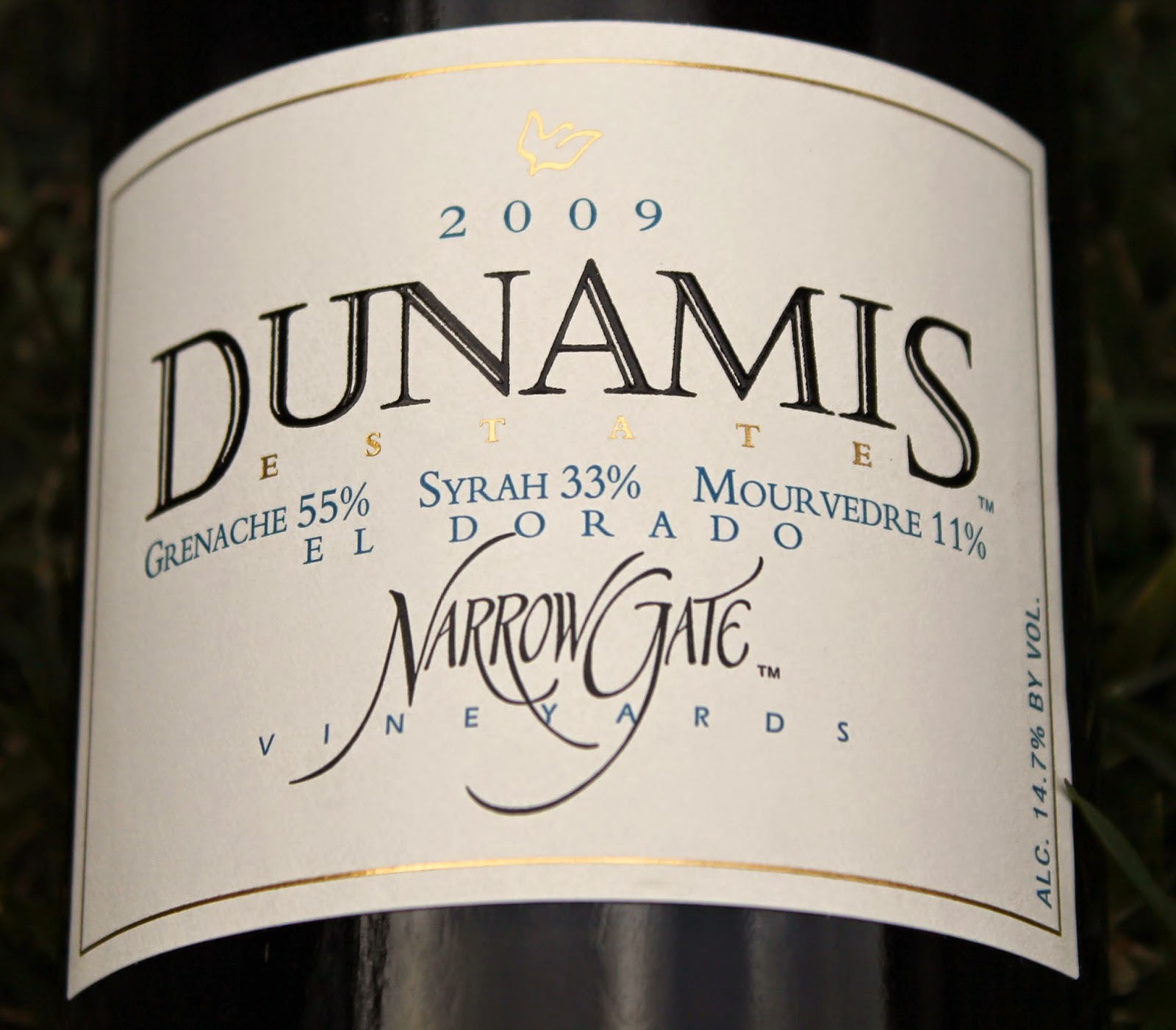
Narrow Gate Vineyards 2009 Dunamis: This a GSM blend (Grenache, Syrah, Mourvèdre) hailing from the Sierra Foothills region where winemaker Frank Hildebrand tends his biodynamically certified vineyard, not far from where gold was discovered in 1848. Cedar, oak and vanilla combine with blackberry, blueberry and raspberry to make a succulent wine ideal for turkey, game and turducken. ($34, narrowgatevineyards.com)

Oakville Ranch 2011 Cabernet Franc: Out of Napa’s Oakville district these certified organic grapes produce a wine full of cedar, vanilla, blueberry, blackberry and a wisp of pomegranate and dried fig, providing a terrific acidity not often found in red wines for heavier dishes like tri-tip, grilled pork, even smoked turkey but won’t overwhelm what’s on your plate. ($110, oakvilleranch.com)


Presidio 2011 Syrah: Santa Barbara’s Doug Braun is the king of biodynamic wine in the county and the very first to be Demeter certified in 2005. His Syrah, from organically grown cool-climate grapes offers deep blackberry, black cherry, huckleberry, pepper and bacon fat with enough acidity to cut through lamb, tri-tip, ham or other possible meats on your table. ($39, presidiowinery.com)


Peju 2009 Cabernet Franc: Napa’s famed Rutherford dust is experienced with these certified organic grapes which offers typical Cabernet Franc qualities like black cherry, a brambly blackberry, framed by judicious 28 months of oak aging and vanilla, with a mature rich, supple fruit core and mild acidity. Great with smoked turkey, or turducken, or forget the food, this makes a fine meal on its own. ($115, peju.com)


Quivera 2013 Sauvignon Blanc: Citrus and lemon meringue are the basis for these biodynamically farmed grapes in Sonoma’s Dry Creek Valley, resulting in a mild acidity and a better balance to salads, green bean casseroles, and even ham. The acidity can cut butter, creamed corn and sweet potatoes for example, but still maintains the traditional grassy note of Sauvignon Blanc without a potent tart quality. ($24, quiverawine.com)


Qupe 2012 Grenache: Typical of Grenache this biodynamically farmed fruit from Edna Valley in San Luis Obispo offers soft black cherry, rhubarb and pomegranate, blackberry compote, mild oak and spice framed by a tame acidity and enough fruit to compliment your food without overpowering it. Turkey with plenty of gravy and a glass of this will make you give thanks. ($35, qupe.com)


Salus 2011 Estate Cabernet Sauvignon: From the Staglin Family comes this blackberry, blueberry and red currant forward wine combined with proper oak barrel aging and a whisper of cocoa and tobacco, making this a flexible Cabernet with a moderate acidity to handle game, grilled meats and your hearty gravy, and cranberries. ($90, staglinfamily.com)


Tres Sobores 2011 Por Que No?: Commonly known as a “kitchen sink” blend, which does not belie it’s easygoing smooth nature, this is a mix of organically farmed Zinfandel, Petite Sirah and Cabernet Sauvignon. There’s mild blueberry, blackberry a hint of black pepper spice; ideal with all types of food on your Thanksgiving table. ($28, tressabores.com)


Volker Eisele 2012 Gemini: A blend of 80% Sémillon and 20% Sauvignon Blanc, these organic grapes grown in St. Helena are stainless steel fermented, then oak aged making a wine that offers a soft mouthfeel with meringue, apricot, vanilla and apple cider, all soft and luxurious and would be ideal with ham, mashed potatoes and sweet potatoes. ($25, volkereiselefamilyestate.com)