Search Boozehoundz

Showing posts with label sierra foothills. Show all posts

Tuesday, October 4, 2016

Merlot Me, Maybe


“Hey, I just met you, and this is crazy,
so here’s my number, Merlot me maybe.”

Okay, so you might be now singing that pop song in your head. Sorry about that. Anyway…October is the self proclaimed Merlot Month. Really? Does a wine need 30 days in which to prove itself? Ah…with Merlot, yes it does. Merlot has been maligned ever since the film Sideways unapologetically voiced the main character’s opinion, “I’m not drinking any fucking Merlot!” Ouch. It’s not that Merlot was a crappy grape, but that in California, back then in the early 2000s, it was overplanted creating not only glut, but lousy grapes. I love Merlot. Truly, there are some terrific examples, including Lava Cap (Sierra Foothills), and Robert Hall (Paso Robles) and a host of others. So, may I present a Merlot sampler - a range of wines worth considering this month of October that might reinvigorate your red wine consumption. At the very least, try a new Merlot, even one not on this list.
From Sonoma is the inexpensive 2014 Cannonball SonomaCounty Merlot ($14.99), a nifty little number that is a great entry Merlot for those who like more ripe frit and fewer tannins and change in your pocket. It offers rich jammy boysenberry, black berry, a little black cherry and huckleberry, a sweet oak and a pleasant personality - easy to drink, easy to love, easy on the 401k.
Moving up the scale is Peju’s 2013 Napa Valley Merlot ($38), from a certified organic vineyard in the Rutherford area of Napa, which offers more acidity, tighter tannins and more subtle fruit with notes of blackberry, boysenberry, dark plumb and raspberry, hints of sweet cedar and black cherry.
Then we come to the Duckhorn 2013 Napa Valley Merlot ($54) which is the gold standard of Merlot in California. Routinely Duckhorn Merlots provide a tactile, sensory experience with dark fruits of blackberry, boysenberry, huckleberry, pomegranate, charred resin, seamless oak integration and a constant stream of acidity working through the wine making this ideal with food.

Monday, January 12, 2015

Boozehoundz’s Best of 2014!


With winemaker Aron Weinkauf--Spottswoode Winery & his dog Cashew
In looking back at 2014 Boozehoundz covered everything from various professional wine judging, to wine bloggers, to organic wines, Russian beers, interviews with winemakers and sommeliers and more. To re-cap the best wines and spirits I tasted through in 2014, with a score of 91 points or above (drum roll please), here are some clear winners, so, cheers and keep exploring new wine and spirits. If you’ve tried something awesome drop me a line and let me know. It might make it into a variety of publications I write for including Boozehoundz, The Hollywood Reporter, the largest wine/spirits magazine in China, or someplace else! Since I work for myself I do not write about anything I personally have not vetted and found to be to my picky standards. I get no kickbacks for recommending anything, just the satisfaction of you, the reader, finding something new! And remember, every Tuesday Boozehoundz posts all new info – so sign up for free to get this blog. Here we go…

Qupe 2011 Grenache (91 Points, $35) A stunning biodynamically made wine from San Luis Obispo grapes this offers soft black cherry, rhubarb and pomegranate, blackberry compote, mild oak and spice supported by a mild acidity and enough fruit to compliment your food without overpowering it. (Full Review HERE)
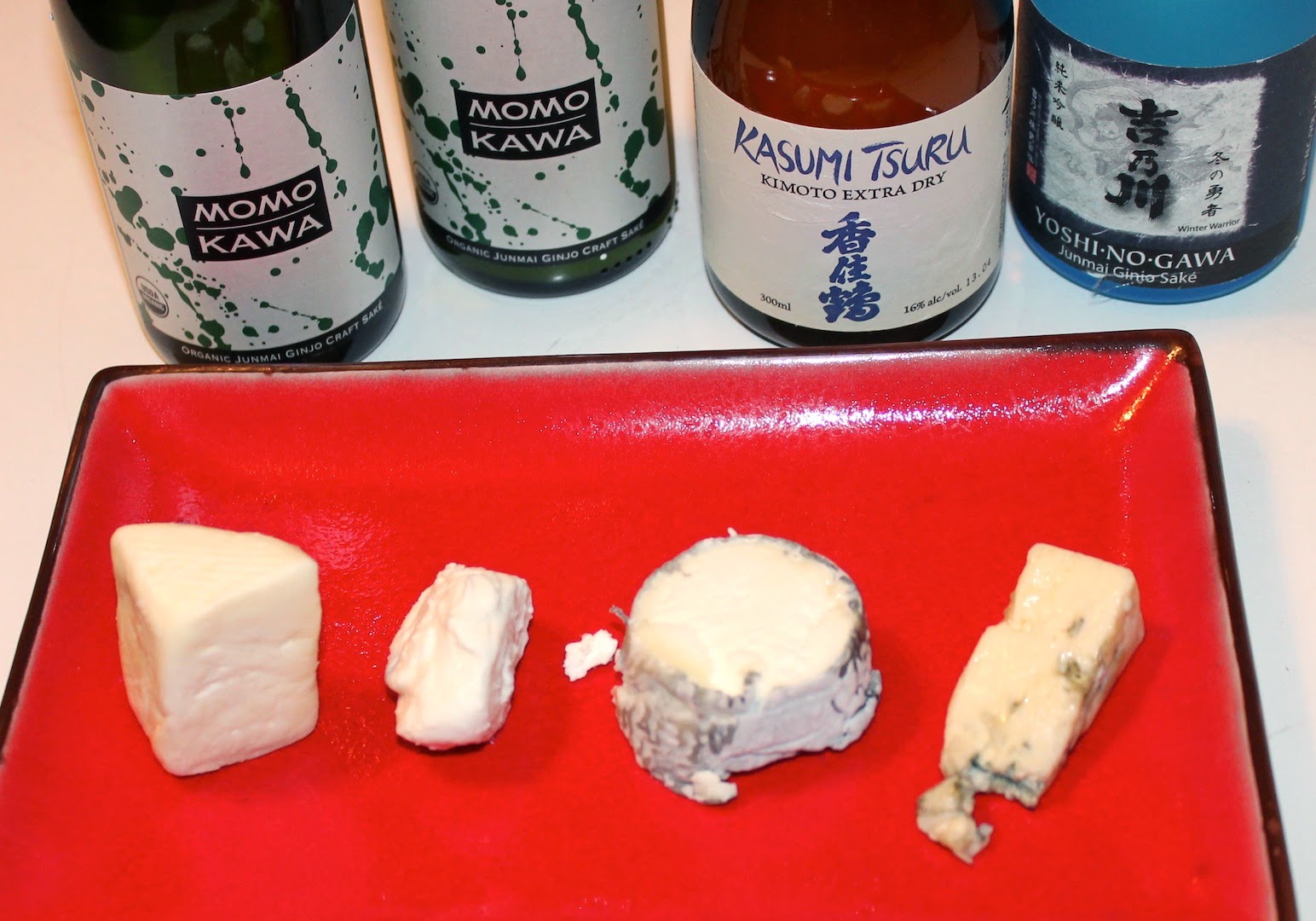
A Sake and cheese pairing I did
Citadelle Gin Reserve Solera 2013 (91 Points, $35) Using a solera method and aged in a combination of American casks, old Cognac casks, and Pineau des Charente casks (a French aperitif), it is softer, holds a slight woodiness and possesses a thicker viscosity. They use over 20 different botanicals as well, creating a multi- layered effect. The nose is clear juniper berry, soft mint and eucalyptus, coriander and dried thyme. (Full review HERE)

2012 Lava Cap Winery Chardonnay (91 Points, $18). Stupidly good and inexpensive and from the unlikeliest of places – El Dorado County in the Sierra Foothills, this impressive Chardonnay has terrific acidity and the new French Oak is all caramel, and a subtle smoky element with a touch of citrus. They perform a battonage on it – meaning after the yeast converts the sugars to alcohol, the tiny dead yeast cells are stirred up inside the wine barrel, which adds additional flavor and texture to a wine. I love the mouth feel on this and the slight bite at the end. (Full review HERE)
With asst. winemaker Bobby Donnell at Amici Cellars
Ventura Limoncello Crema (92 Points, $20) is all made by hand (I’ve visited his small production facility in an industrial section of Ventura) with no fake colors or flavors – this is the real deal. Only the top skin of the lemon is peeled which is more concentrated with the citrus oil, then soaked. It’s mixed with sugar and neutral spirits rather than vodka. It's ripe with lemon and lemon rind and stunningly balanced with the alcohol rendering it a smooth, viscous, decadent wonderfully piquant dessert liqueur. (Full review HERE)

The Top Scoring wine for Boozehoundz in 2014 was the stunning Goldeneye 2011 Confluence Vineyard Pinot Noir (93 Points, $80) from the Mendocino’s Anderson Valley is that type of Pinot Noir that makes you realizes why you love, or should love, Pinot Noir, because it has everything, a confluence of a deft acidity, black cherry, raspberry, mild strawberry, a hint of dark cola, spice, judicious oak, and it walks that line between being polite yet mysterious, an in-your-face attitude, and that indescribable intangible that just makes it taste so damn good. (Full review HERE)
Enjoying bubbles at Syncline Winery, Washington State

Tuesday, December 30, 2014

New Year’s Resolution: 12 Months – 12 Cabernets


With every year that passes we set out new goals, new challenges and new experiences for ourselves. But often that doesn’t translate to our wine habits, which can get old and tired. So for Cabernet Sauvignon lovers, here’s a road map for a new Cabernet Sauvignon to try each month from various places, each with its own unique quality and character; a road map that will entice your senses and open you to new wines you may never have considered. (NOTE: The original holiday version of this article was published in The Hollywood Reporter-DEC/2014)


Amici Cellars 2011 Oakville Cabernet Sauvignon: From Calistoga, winemaker Joel Aiken has a pedigree worth toasting. He made the BV Georges de Latour, one of Napa’s most iconic wines for a quarter century. Now he crafts killer Cabernets from choice vineyard sites around the Napa Valley. Once poured you’ll find flavors reminiscent of violets, oak and vanilla, blackberry and blueberry. This is a smooth drinking wine that makes you realize how approachable a high end Cabernet can be, without all the fussy tannins and aging time. ($125, amicicellars.com)

Barons de Rothschild Lafite Reserve Speciale Pauillac 2010: Bordeaux is not Napa. That might seem obvious, but many people expect Bordeaux to drink like Napa Cab. The differences in this wine are obvious from the subtle and nuanced flavors to the berry notes of black cherry, and blackberry. However the earthiness, acidity and quiet nature of Bordeaux is a counterpoint to aggressive American Cabernet’s. This is a terrific example of reasonably priced Bordeaux, and a wine meant to work with food. ($49.99, finewinehouse.com)

Beaulieu Vineyards 2009 Georges de Latour Private Reserve Cabernet Sauvignon: Long used as the go-to juice for the Emmy Awards Governor’s Ball and a benchmark of Napa Cabernet since 1936, this BV is as smooth and suave as George Clooney himself. There is upfront acidity, black cherry, huckleberry, blackberry seamless oak and vanilla and a textural weight all delivered with a silky and smooth wine that makes you wonder why all wine can’t be this tranquil and creamy. ($80, bvwines.com)


Clos Pegase 2011 Cabernet Sauvignon: With renowned architect Michael Graves behind the design of this Napa winery facility, their Cabernet should be just as world class, and it is. Ready to drink now this 2011 Cabernet is very accessible for everyone and presents black cherry, rhubarb, plum, blueberry, mild acidity and though still a young wine, it is nonetheless quite structured and amiable for your dinner table. ($50, clospegase.com)


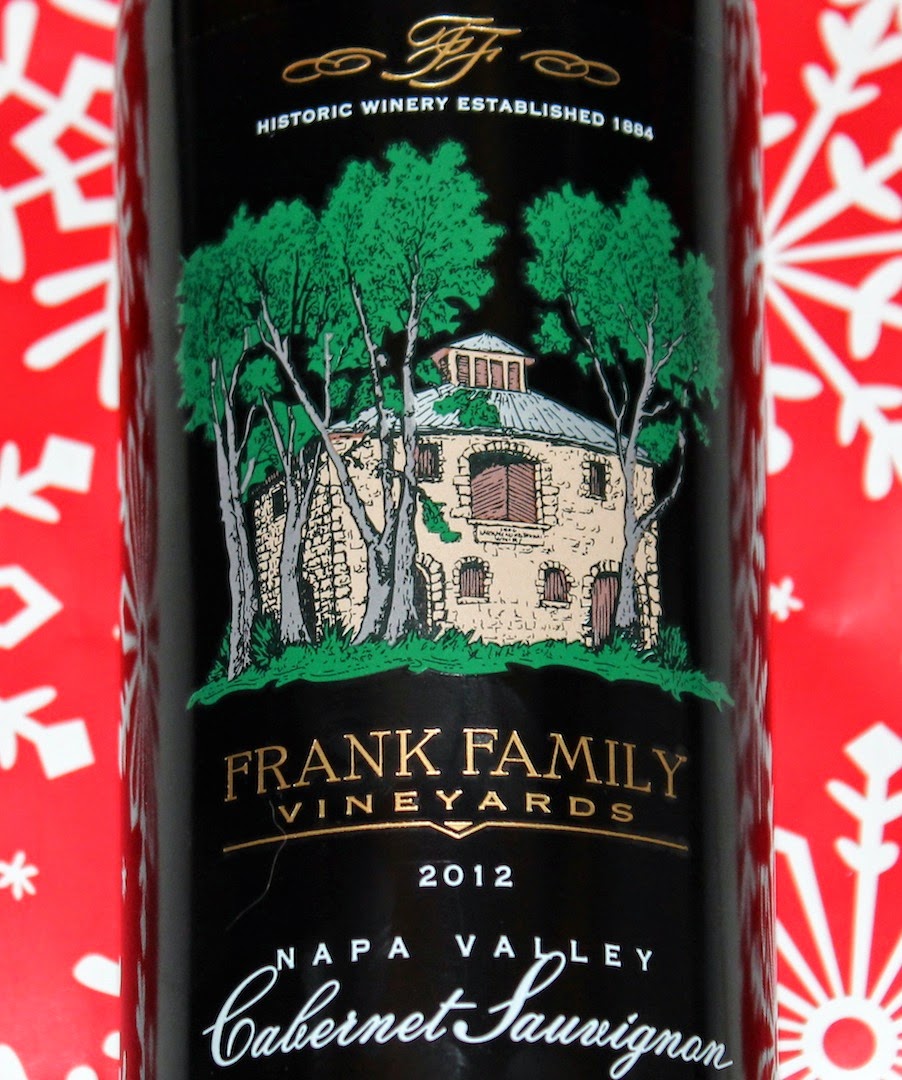
Frank Family 2012 Napa Cabernet Sauvignon: Though owner Rich Frank is producer on the hit TV show Royal Pains (he was former Chairman of Walt Disney TV) he also produces wine from his northern Napa Valley property. This lithe, supple wine is replete with mild notes of blackberry, blueberry, cedar, and black cherry, balanced and structured with soft delectable oak, acidity and tannins showing the firm control of a veteran producer. ($50, frankfamilyvineyards.com)


Hourglass Vineyards 2012 Blueline Estate Cabernet Sauvignon: Like a classic timepiece this wine, grown on the slopes of the Mayacamas Mountains, exudes black cherry, lavender, blackberry, cedar, soft but noticeable minerality and a touch of caramel. The tannic structure is evident but not overwhelming and a brief decanting will enhance the floral aromas. Easy to drink, it might be gone in a few minutes if you’re not careful. ($125, hourglasswines.com)


Jordan 2010 Cabernet Sauvignon: Though Napa gets most of the Cabernet attention, Sonoma too has its own choice spots in which to make excellent Cabernet. Served at several of the Academy Award Governor’s Balls in the 1990s and served at the White House in 1988, this current iteration is all cassis, bright cherry, blueberry, with a mild acidity and oak program balanced along with tame tannins which makes this an easy drinking wine with a bit of heft. ($53, jordanwinery.com)


Justin Vineyards 2011 Isosceles: Paso Robles has long been a producer of Cabernet and it is this wine that actually put this region on the map. The current vintage celebrates its 25th anniversary of this now iconic wine with rustic dark red fruits like rich deep black cherry, black currant and ripe blueberry. The judicious use of oak is tempered by a befitting acidity and an easy drinking quality. ($70, justinwine.com)


Kimmel Vineyards 2010 Cabernet Sauvignon: From Mendocino comes this delightful wine full of rhubarb, blackberry and dusty black cherry with a touch of oak, mild acidity and mild tannins. Owner Jim Kimmel (not Jimmy Kimmel) employs certified sustainable growing practices, which shows that great wine can be made in a responsible, yet tasty way. There is a nose of sandalwood, cedar, cassis, black cherry, dark chocolate and a whisper of dark spice. ($48, kimmelvineyards.com)


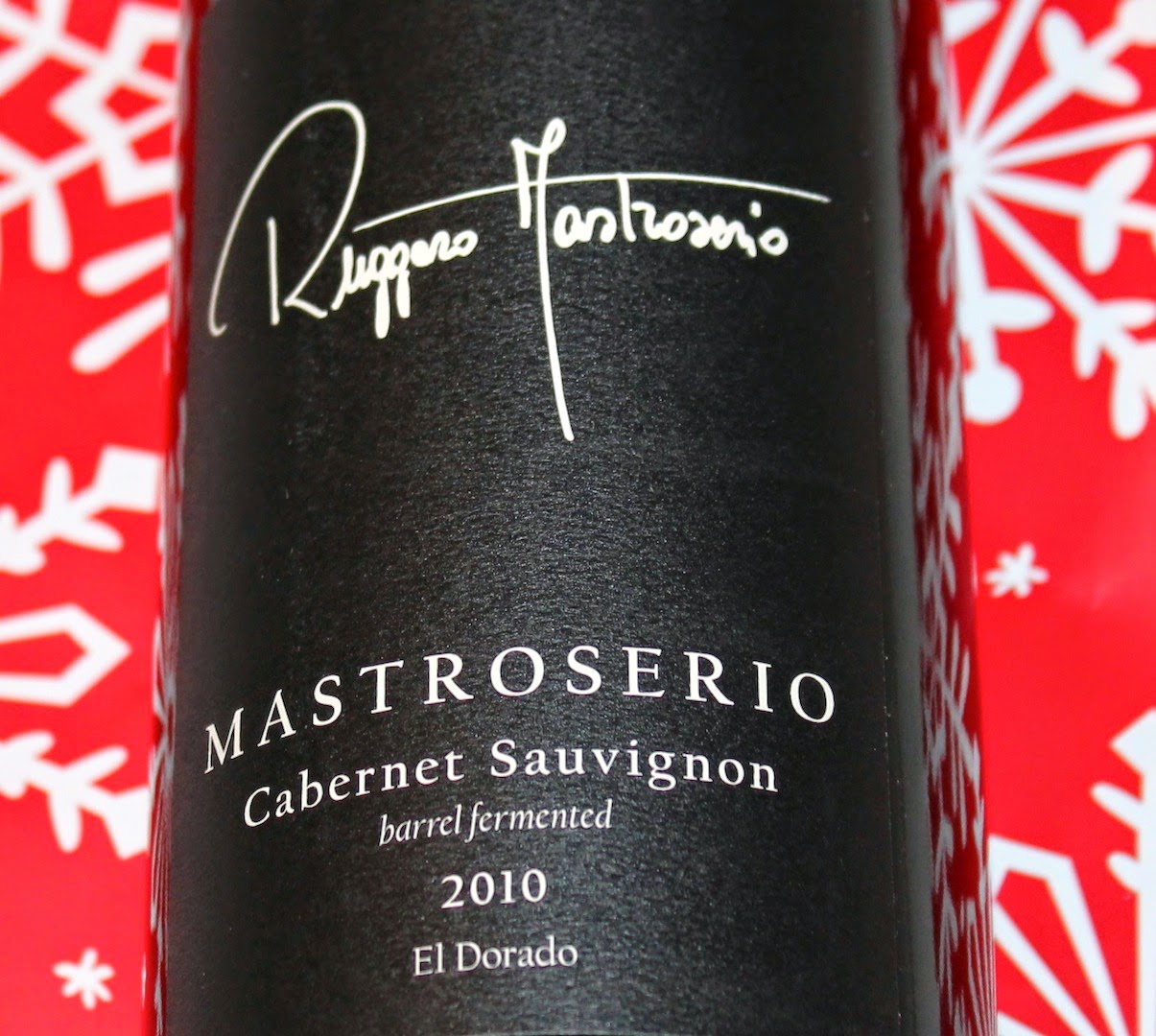
Mastroserio Winery 2010 Cabernet Sauvignon: When gold was discovered in El Dorado County in the Sierra Foothills in 1848 signaling the gold rush, wine was not in the mix. But when the gold ran out, pioneer-entrepreneurs planted grapes. One of the better Cabs to come from this region is this lush rich Cab heavier on its barrel fermentation program, which results in lots of cedar, resin, blackberry, black cherry and dried chervil with a surprisingly buoyant acidity. ($50, mastroseriowinery.com)                        
 
Pepper Bridge 2011 Cabernet Sauvignon: Walla Walla Washington is the source of the fruit for this earthy Cabernet with plenty of rustic cherry and blackberry, blueberry fruit, minimal tobacco and aged oak - a combination of new and used French oak to be precise. 2011 was a cooler season in the state therefore there is less bright crisp fruit and more of a dense and dark nature to this wine for those who crave a more mysterious and brooding wine. ($60, pepperbridge.com)

Spottswoode 2011 Cabernet Sauvignon: One of Napa’s premier under the radar producers, Spottswoode goes about quietly making first-rate wine. Their Cabernet opens with rich black cherry and a nose of oak and vanilla and a slight cocoa, but is rewarded with decanting time to reveal, cedar and ripe blueberry, roasted oak and the flavors smooth out with a mature ripe red fruit note, changing the complexity to a velvety, deep berry. ($150, spottswoode.com)         

Saturday, March 29, 2014

Night, Cap


I don’t promote wines I don’t like, and often times certain wines from certain regions just don’t work well, in spite of wineries planting the same tired grape over and over, thereby creating a tedious version of something you can get better elsewhere. All that to say the Chardonnays from the Sierra Foothills have been lackluster. It just isn’t the best spot to grow it. So imagine my double take when I tried the 2012 Lava Cap Winery Chardonnay. I was not prepared for what I had just tasted. Sure, Chardonnay is ubiquitous, but at $18 this has terrific acidity and the new French Oak is all caramel, and a subtle smoky element with a touch of citrus. They perform a battonage on it – meaning after the yeast converts the sugars to alcohol, the tiny dead yeast cells are stirred up inside the wine barrel, which adds additional flavor and texture to a wine. At 14.6 this Chardonnay is a big boy, but it does not drink that way and frankly I’d take this over more expensive Chards from Sonoma in a heartbeat. I love the mouth feel on this and the slight bite at the end. 
I hold in my hand...the lava cap!
 
Lava Cap Winery has been in the Foothills, near to Placerville, for a quarter century and is one of the leaders in the wine industry in this underappreciated region (hint: Forgo Napa and drive to the Foothills, El Dorado, Amador, Calaveras counties - 40 minutes east of Sacramento). Their winery name refers to the actual cap of old, thick lava that permeates parts of the lower Sierra Nevada Mountains. And that cap has created some pretty cool growing conditions in terms of unique soils of volcanic clay mixed with minerals. The bottom line? Chard from this region does not excel, but this Chardonnay does and it will surprise you. Worth every penny, go find it. LAVA CAP WINERY
2012 Lava Cap Winery Chardonnay
ORIGIN: El Dorado County, Sierra Foothills, California
PRICE: $18 - 750/ml
ALCOHOL: 14.6%
BOOZEHOUNDZ SCORE:  91 POINTS

Saturday, March 8, 2014

Play Fair, Zinfandel


You’ve probably never heard of the Fairplay AVA, nor El Dorado County. Maybe not even the Sierra Foothills region in California. But this area is actually older than Napa and Sonoma and blossomed during the California Gold Rush of the late 1840s and early 1850s. Long a bastion of overripe one-trick pony Zinfandel, this region does Rhone and Italian well and on occasion you find an authentic, expressive Zin like the Gwinllan 2010 Estate Zinfandel. At 15.4 this is a hefty boy, but the fruit is fully restrained and paired judiciously with oak resulting in sultry earthy and dusty notes. There’s black cherry, black berry, cinnamon and sweet oak, all balanced against each other deviating from the usual jammy Foothills Zinfandel. This wine shows one of the valid reasons for visiting the Fairplay region – namely that with all the volcanic and granite soils, the region genuinely reflects the earth. Farmed at 2,300 feet, these grapes give a smoothness and richness with a bit of tannic structure, but not enough that it dries out your palette. Yes, it’s a tad hot, though it is excessively easy (and quite fun) to drink. I popped this with a pork sausage pizza with fresh oregano, chives and edemame. You couldn’t ask for better combo. Fairplay is game on and Gwinllan plays well with others. GWINLLAN ESTATE

ORIGIN: Fair Play, El Dorado County, California
PRICE: $36 / 750/ml
ALCOHOL: 15.4%
BOOZEHOUNDZ SCORE:  88 POINTS